Home › Services
Backup power and generator hookups for Danville homes
Homes on the hillsides around Danville, Alamo and Blackhawk have learned to expect a few dark days most years. Wind events, wildfire-season shutoffs and the occasional storm on a long overhead line can leave a house without utility power for hours or for days. Backup power is the set of choices that keeps the refrigerator cold, the well or sump pump running, the garage door working and the Wi-Fi up while the grid is down. Below are the options -- portable generators connected the right way, standby units and home batteries -- plus permits and what to ask before you sign. To start, send the address and a photo of your panel through the contact page.
Why the power goes out in the East Bay hills
Much of the distribution system that serves the San Ramon Valley runs overhead, through oak woodland and grassy ridges that dry out every summer. When strong, dry offshore winds are forecast, PG&E may de-energize lines in high-risk areas as a fire precaution. These public safety power shutoffs are announced ahead of time when possible, but they can last until crews have patrolled the lines and confirmed they are safe to re-energize.
Winter storms, heat-wave equipment failures and a car meeting a pole on a hillside road cause outages too. Homes at the end of long feeders, on upper slopes near Mount Diablo, or with private wells feel them hardest.
Decide what has to stay on before choosing equipment
First, list what really matters during an outage. Backup systems fall broadly into two camps. Essential-circuit backup powers a short list of loads through a small dedicated subpanel. Whole-home backup feeds the entire panel, sometimes with automatic load shedding so large appliances cannot all start at once.
Whole-home systems let you live normally but demand more capacity and careful planning around air conditioning, heat pumps, electric ranges and car chargers. A typical essentials list:
- Refrigerator and any chest freezer.
- Furnace blower or a heat pump, if the system allows it.
- Well pump, sump pump or sewage ejector, where the house has one.
- A few lighting circuits, including stairs and hallways.
- Internet router, phone chargers and a home office circuit.
- Garage door opener and a gate operator on gated lots.
- Medical equipment that someone in the household depends on.
Portable generators and the danger of backfeeding
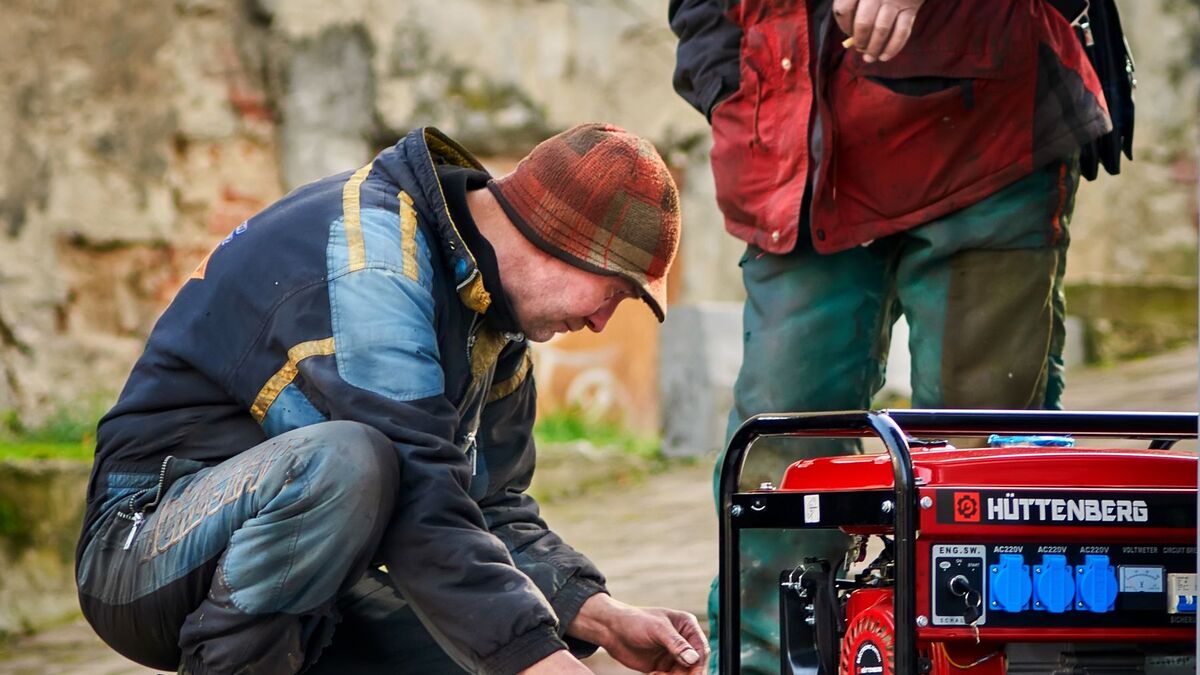
A portable generator is the most common starting point, and it can be a sensible one if it is connected properly. The connection is where people get hurt. Never plug a generator into a house outlet with a double-ended cord. That shortcut, using a cord with a plug on both ends, sends generator power backward through the house wiring and out onto the utility lines, where it can be stepped up to dangerous voltage on the far side of a transformer. A lineworker who believes a line is dead can be killed by it.
It also endangers the household: the cord's plug prongs are live and exposed, and returning utility power can wreck the generator or start a fire.
Run any portable unit outdoors, away from windows, doors and vents -- never in a garage, even with the door open -- because carbon monoxide builds up fast.
Manual transfer switches and panel interlocks
The safe way to feed a house from a portable generator is a device that makes it physically impossible to connect generator and utility at once. Two approaches dominate.
A manual transfer switch is a small panel mounted beside the main panel with a handful of pre-selected circuits wired through it. You plug the generator into an outdoor inlet box, start it, and flip each circuit from line to generator. It is simple to use and naturally limits the load to what the generator can handle.
An interlock kit is a sliding plate installed on the main panel that blocks the main breaker from being on while a dedicated generator breaker is on. It lets you choose any circuit in the panel during an outage, but it relies on you to manage the load by switching off what you do not need. Not every panel accepts a listed interlock, and an older or crowded panel may need attention first -- the panel upgrades page explains when that comes up.
Either way, the generator connects through a weather-rated inlet on an exterior wall, so the cord never runs through a door or window.
Permanent standby generators: fuel, sizing and automatic switching
A standby generator sits outside on a pad, connects to the house through an automatic transfer switch, and starts on its own within moments of losing utility power. When the grid returns, it transfers back and shuts down after a cool-down cycle.
Most standby units in this area run on natural gas from the existing service, which avoids refueling during a long shutoff. Homes without natural gas may use propane from a tank, which brings its own placement and supply questions. Either way, the gas meter and the piping to the unit have to carry the generator's demand on top of the furnace, water heater and range; a plumber or the gas utility may need to weigh in, and that coordination belongs in the plan.
Sizing is about starting and running loads, not square footage. Air conditioner, well pump and heat pump motors draw a surge at startup, and the generator must carry it. An electrician totals the chosen loads and recommends a matching unit and transfer switch.
Where a standby unit can go, and how loud it will be
Placement decisions involve the manufacturer's installation instructions, the electrical and fire rules the state adopts, and local zoning, which may address property-line distances, noise and screening. The local building department -- the Town of Danville or the jurisdiction that covers your address -- sets and enforces those requirements, and gated communities often add their own design review on top. Check with both before settling on a spot.
A generator also needs clearance from windows and air intakes, a level pad, service access and a short path to the gas line and panel. On a hillside lot, the flattest spot near the panel may sit under a neighbor's bedroom window.
Units run a short weekly exercise cycle; set it for midday and talk to neighbors before the pad is poured.
Home battery systems and battery-ready wiring
A wall-mounted battery system stores energy and, during an outage, isolates the house from the grid and powers selected circuits silently, with no exhaust and no fuel. Paired with solar, it can recharge during the day and stretch through multi-day shutoffs if usage is kept modest.
The tradeoff is capacity: central air or an electric range drains a battery far faster than a refrigerator and lights, so most installs back up an essential-loads panel.
If a battery is a future plan, battery-ready wiring during another electrical project -- reserved panel space, essential circuits moved to their own subpanel, a conduit path to a likely mounting wall -- makes the later install faster and cleaner.
Making backup power work alongside rooftop solar
Many owners are surprised to learn that a typical grid-tied solar system shuts off when the grid does. That is a deliberate safety feature: the inverter must not push power onto lines that crews are working on. Without a battery or a specific backup-capable inverter, the panels on your roof do nothing during a shutoff.
A battery can be coupled to existing solar so the panels recharge it during an outage. A generator can be added too, wired so it never conflicts with the solar inverter. PG&E reviews interconnection for battery and solar changes, and that paperwork runs alongside the local permit. Describe your existing solar equipment when you reach out so the plan accounts for it from the start.
Permits and the inspection path for generators and batteries
Generator hookups, transfer switches, interlocks, standby units and battery systems all typically require a permit and inspection through the local building department. Gas work for a standby unit may be inspected separately. The electrical contractor handles the electrical permit, and the order generally looks like this:
- Site visit to confirm loads, panel condition, gas service and placement.
- Equipment selection and a written scope for the transfer method.
- Permit applications, plus any community design review the property requires.
- Pad, gas line and conduit installed; equipment set in place.
- Transfer switch or interlock wired and circuits connected.
- Inspection of the electrical work, and of the gas work where applicable.
- Utility notification or interconnection approval for battery and solar systems.
- Startup, a simulated outage test, and a walkthrough of how the system operates.
Keeping backup equipment ready for the day it is needed
Backup power fails most often from neglect. Stale gasoline, a weak starting battery or a clogged filter can stop a unit right when the lights go out. Plan on:
- Running a portable generator under load every month or two, and using fuel stabilizer or draining it for storage.
- Annual service on standby units per the manufacturer's schedule: oil, filters, plugs and starting battery.
- Clearing leaves, dry grass and debris from around the enclosure before fire season.
- Updating battery system firmware and confirming backup settings are still selected.
- Keeping the panel directory accurate so you know which circuits are backed up.
What a complete backup power proposal contains
Cost drivers include the type and size of the equipment, the transfer method, the distance from the generator or battery to the panel, gas line work, trenching across a sloped yard, panel condition, and any required subpanel. Because those vary so much from lot to lot, the electrical contractor prices the job after seeing the site. A proposal worth comparing will itemize:
- The exact generator or battery model and its rated output.
- The transfer method: manual switch, interlock or automatic transfer switch.
- Which circuits are backed up, or confirmation of whole-home coverage with load management.
- Pad, mounting, conduit and inlet details, with the proposed location marked.
- Gas piping work and who performs it, if a fueled unit is involved.
- Permits, inspections and any utility paperwork.
- Startup, owner training and the workmanship coverage offered.
Get your backup plan scoped before the next shutoff
Set up backup power well before the windy season. Gather a photo of the main panel, a list of the loads you care about, and notes on gas and solar, and share them along with the property address on the contact page. Owners in Blackhawk, San Ramon and the rest of the service area can expect follow-up from an electrical contractor working the region. If an EV is part of the picture, the EV charger installation page covers how charging fits with a limited panel.
Backup power and generator hookups for Danville homes — common questions
Can I plug my generator into a wall outlet to power my house?
No. Feeding a house through a regular outlet with a male-to-male cord sends power back onto the utility lines, where it can seriously injure or kill a lineworker, and it leaves exposed live prongs in your hands. It can also start a fire when utility power returns. The safe options are plugging individual appliances into the generator with outdoor-rated cords, or having an electrician install an inlet with a transfer switch or panel interlock so the house can never be connected to both sources at once.
What size generator do I need to run my whole house?
There is no answer by square footage alone. Whole-home sizing depends on which large loads exist -- central air, heat pump, electric range, well pump, EV charger -- and whether they might start at the same moment. Motor starting surges often decide the size more than running watts do. An electrician adds up the connected loads, considers load-management modules that can lock out lower-priority appliances, and recommends a unit. A smaller generator with smart load control can often cover a large house well.
Is a home battery better than a generator during a PSPS event?
Each has strengths. A battery is silent, produces no exhaust, needs almost no maintenance and pairs naturally with rooftop solar, which can recharge it during a multi-day shutoff. Its limit is stored energy, so heavy loads drain it fast. A natural gas standby generator can run for days on large loads as long as gas keeps flowing, but it is louder, needs annual service and has placement rules. Some households install both, using the battery first and the generator as the long-duration fallback.
Do I need a permit to install a transfer switch or generator interlock?
In most of the San Ramon Valley, yes. Connecting any alternate power source to a home's wiring is work the local building department expects to permit and inspect, whether it is a manual transfer switch, a listed interlock kit or a standby generator. The permit is how a second set of eyes confirms the generator cannot backfeed the utility. The electrical contractor typically files it. Skipping it can also create questions when the house is sold.
Will my solar panels keep my power on during an outage?
Usually not on their own. Standard grid-tied inverters shut down whenever utility power is lost, so the panels stop supplying the house even in full sun. Keeping power on requires a battery system, or an inverter designed to operate in backup mode with a way to isolate the house from the grid. If you already have solar, adding a battery is often the cleanest path to outage protection, and the existing system can then recharge it during the day.
How often does a standby generator need maintenance?
Plan on a professional service visit at least once a year, following the manufacturer's schedule for oil, filters, spark plugs and the starting battery. Units that run long hours during a shutoff season may need attention sooner. Between visits, glance at the controller for fault messages after the weekly exercise run, keep vegetation trimmed back from the enclosure, and make sure nothing has been stacked against the air intake. A transfer test during service confirms the whole system, not just the engine.
Talk through your site
Start with the address, what you want done, and a few photographs of the area, including anywhere water sits after a heavy rain.
Related work
Electrical Repair
Dead outlets, tripping breakers, flickering lights, warm switches and the faults behind them.
Electrical Panel Upgrades
Service and panel upgrades for EV charging, heat pumps, remodels and aging or problem panels.
EV Charger Installation
Level 2 home charging: circuit sizing, panel capacity, load management and garage or driveway placement.
Lighting Installation
Recessed, pendant, under-cabinet, landscape and outdoor lighting, dimmers and controls.
Home Rewiring
Replacing aging, undersized or damaged wiring in older houses, room by room or whole-house.
Across the metro
San Ramon
Planned neighborhoods from the 1970s onward, newer communities to the east and a lot of EV demand.
Alamo
Large-lot hillside homes, older custom houses, long service runs and outdoor lighting.
Blackhawk
Big newer homes on the slopes of Mount Diablo with large loads, gated access and backup power.
Walnut Creek
Postwar ranch houses beside newer infill, older panels and a steady stream of remodels.